
The Real Goal of Youth Sports
Mar 01, 2026We celebrate Olympians.
We watch the highlights, the pressure moments, the medals, and the stories of perseverance. We admire the focus, the discipline, and the emotional control required to perform at the highest level.
But underneath the excitement of elite sport, youth sport culture in North America is facing increasing pressure.
Athletes are specializing earlier.
Families are investing more financially than ever before.
Competition is happening year-round.
Recruiting conversations are starting younger and younger.
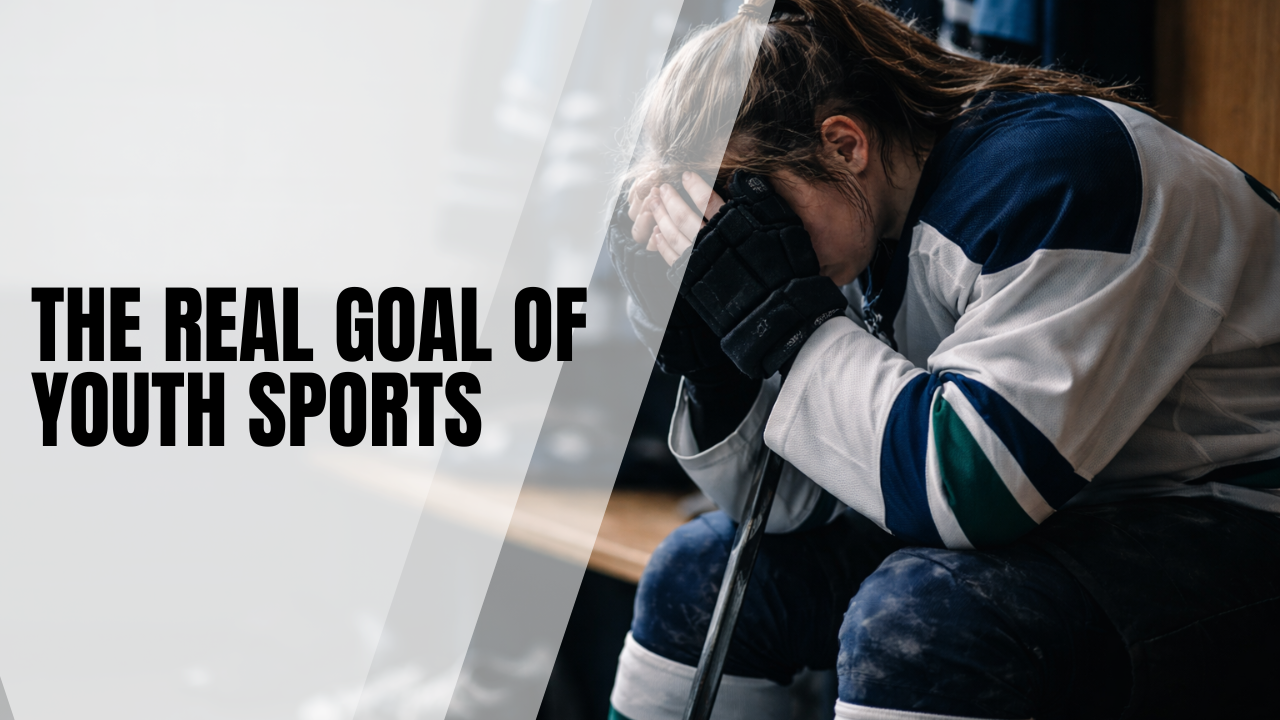
And many athletes who appear composed on the outside are quietly carrying enormous stress on the inside.
From the stands, it can look like everything is going well. From the bench, it may look like just another season. But beneath the surface, many young athletes are navigating pressure, expectations, and identity questions long before they’re emotionally equipped to manage them.
What Most Athletes Actually Need
When performance dips or confidence wavers, the common response is to add more. More practice. More ice time. More lessons. More training.
But most athletes don’t need more physical reps.
They need tools.
They need tools to regulate their emotions when things feel overwhelming.
They need perspective when they make mistakes.
They need support when their identity starts to become tied only to performance.
They need guidance on handling pressure, nerves, time management, and expectations.
They need environments that help them navigate both the highs and the lows of sport in a healthy way.
The conversation around the mental side of performance is finally gaining momentum at the highest levels. Professional athletes are speaking openly about mental health. Coaches and organizations are beginning to recognize the importance of emotional resilience and psychological skills.
But if that conversation stays at the top and doesn’t reach the grassroots level, we miss the point.
The Goal Isn’t Just Championships
The goal of youth sports shouldn’t be limited to raising champions.
It should be to raise healthy, resilient humans who feel confident in who they are, regardless of outcomes.
A very small percentage of athletes will go on to compete at the Olympic level. An even slightly larger, but still small, percentage will earn collegiate scholarships. For most athletes, those outcomes won’t be the destination.
But confidence, resilience, emotional awareness, and a strong sense of self are valuable for every athlete. Those qualities transfer into school, relationships, careers, and life beyond sport.
When we shift the focus from outcomes to foundations, something important happens. Athletes begin to feel supported rather than evaluated. They take more healthy risks. They recover from setbacks more quickly. They develop a sense of identity that isn’t fragile or dependent on performance alone.
And when those qualities are in place, performance often improves as a byproduct.
Bringing the Mental Game to the Everyday Athlete
We don’t need to wait until athletes reach elite levels to talk about mindset.
We don’t need to wait until confidence is shaken to introduce emotional skills.
We don’t need to wait until burnout appears to discuss balance.
The mental game isn’t reserved for the top one percent.
It’s foundational for everyone.
When families, coaches, and organizations prioritize emotional regulation, perspective, communication, and identity protection early, athletes build a stronger foundation. They learn how to handle pressure. They learn how to recover from mistakes. They learn how to stay connected to the joy of sport even when things get hard.
These skills don’t just support performance. They support long-term well-being.
Looking Beneath the Surface
This month, I’m focusing on what’s really happening beneath the surface in youth sports. Not just the visible moments on the ice, field, or court, but the emotional and psychological experiences athletes carry with them.
Because the athletes who look the most composed aren’t always the ones who feel the most secure. And the families who care the most sometimes feel the most unsure about how to help.
We have an opportunity to shift the culture. To create environments where athletes feel supported, understood, and equipped with tools that last beyond any single season.
The goal isn’t only to develop high-performing athletes.
It’s to develop resilient, confident people.
And when we keep that in mind, we change the entire experience of sport — for athletes and for the families who support them.
