
Who Are They When They Are Not Playing?
Aug 16, 2026We are a few weeks out from the season ramping back up.
In the youth sports world, that means tryouts. Practice schedules. Team meetings. Equipment fittings. The slow pull of Fall pulling families back into the rhythm of competition, training, travel, and the weekly calendar that gets crowded fast.
Before all of that comes back, I want to ask you a question that I think is worth sitting with for more than a minute.
Who is your athlete when they are not playing?
Not what else do they do. Not what other activities they are signed up for. Not what hobbies they list when someone asks. Those are surface answers.
Who are they?
If the answer comes quickly and feels rich, that is wonderful. Hold onto it.
If the answer feels thin, or if you find yourself listing activities instead of describing a person, that is information worth paying attention to before the season starts.
I want to spend this piece talking about the off-season, because I think we underrate what it is for.
We tend to think of the off-season as a recovery period. A time for the body to heal. Maybe some skill work. Maybe a camp or two. A slightly lighter calendar.
That framing misses the point.
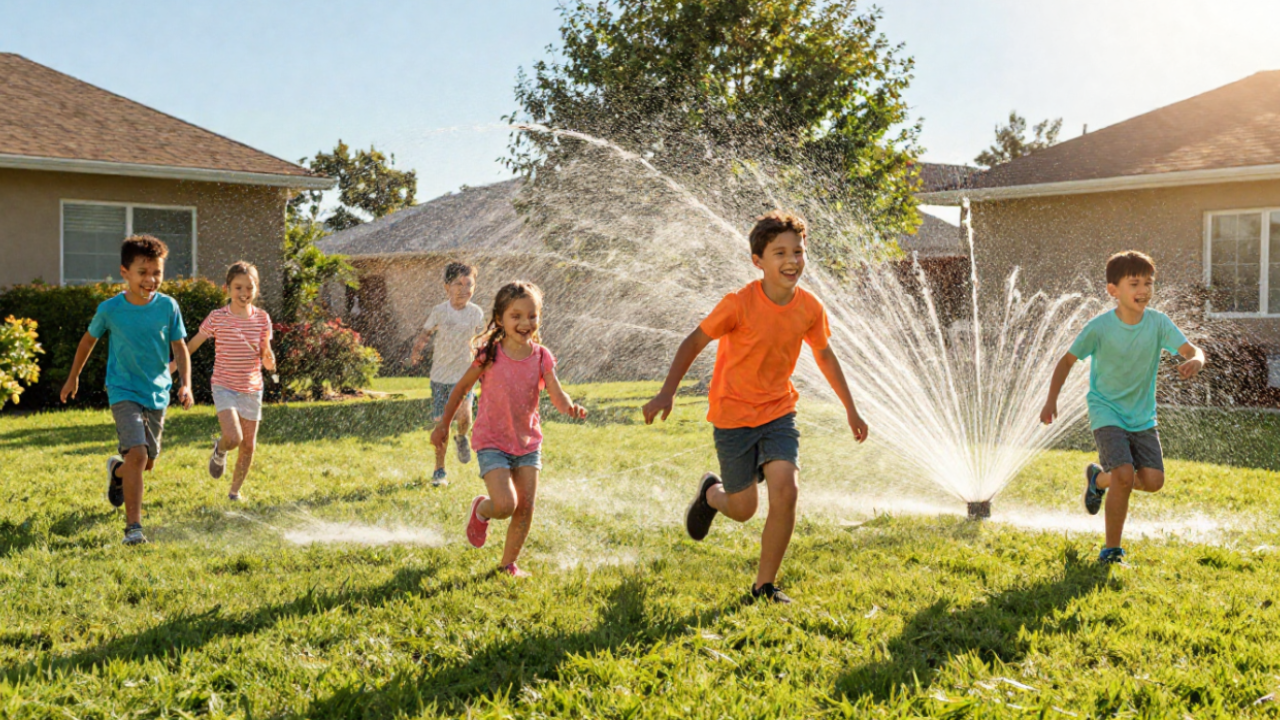
The off-season is the only stretch of the year when athletes get to remember they are also kids. They get to try other things. Build other muscles. Spend time with friends who do not play their sport. Develop interests that have nothing to do with performance. Be a fuller version of themselves than the in-season version allows for.
This is not a side project. This is the main project.
Let me explain why.
Athletes who go into a new season with a wider sense of themselves perform better and last longer than athletes who go in with a narrower one. Research and the experience of every long-tenured coach I know both point to the same thing. The athletes with the longest, healthiest careers are the ones who, somewhere along the way, developed an identity that was bigger than their sport.
It is not the off-season activities themselves that matter most. It is what those activities protect.
Identity. Perspective. Recovery. The capacity to absorb a hard moment without their whole sense of self collapsing.
A kid who spent two summers doing an art class, or trying a different sport, or holding down a summer job, or playing in a garage band with three other twelve-year-olds, is a kid who has practiced being a version of themselves that does not depend on athletic performance to feel okay.
That practice matters.
Because when their sport gets hard, and it will, they have other parts of themselves to fall back on. They have evidence that they are interesting, capable, and valuable in contexts that have nothing to do with how well they played last weekend.
This is identity work, even when it does not look like it. Especially when it does not look like it.
I want to name three categories of "other things" worth paying attention to, because I think parents sometimes hear "let them have other interests" and default to "I should sign them up for more activities." That is not what I am suggesting.
The first category is other sports. Not as a path to specialization. As a way to develop different physical skills, different team dynamics, different competitive experiences. Multi-sport athletes consistently outperform single-sport specialists at higher levels of competition, partly because of physical variety, but mostly because of the wider sense of self that comes from being good at more than one thing. Try something new this summer. Even casually. Even badly. The point is the experience, not the development of a second specialty. The opportunity to not be good at something and work your way up. That’s a powerful experience to go through in sport, and in life.
The second category is identity development outside of sport. Art. Music. Reading. Cooking. Writing. Coding. Volunteering. The activities that build a sense of self that is not contingent on competition. Even one of these, pursued lightly but consistently, is enough to give your athlete a second container to live inside.
The third category is the social and emotional life of being a kid. Friends who do not play their sport. Family time that does not involve travel for tournaments. The unstructured time that lets them figure out who they are when no one is watching them perform. Boredom is part of this category, and I want to defend boredom for a second, because we have largely scheduled it out of children's lives in the name of enrichment.
Bored kids develop interior lives.
Bored kids learn to problem solve and entertain themselves.
Bored kids stumble onto interests that no parent could have planned for them.
Some of the most important development that happens in a child's life happens in the unstructured stretches where they have to figure out what to do with themselves. Those stretches are increasingly rare. The off-season is one of the last places they reliably exist.
Let them have those stretches.
So as we come into the last few weeks of summer, my invitation is this.
Let them try the thing. The art class they mentioned. The other sport. The summer job. The friend group that does not overlap with their team. The afternoon spent reading on the couch with nothing scheduled.
Let them be a kid without an agenda attached.
The season will reward it. So will the rest of their lives, in ways neither of us can fully see from here.
And if you have not asked them lately who they are when they are not playing, this might be a good week to ask.
Their answer will tell you a lot. About them. About what you are building together. And about what the next year of your work as a parent might want to focus on.
The athletes I respect most as adults are the ones whose parents made sure, somewhere along the way, that the sport was something they did and not the only thing they were.
We get to do that for our kids.
Now is the time.
I will see you back here in early September. I am so grateful you have been reading with me this summer.
Take care of your athlete.
Take care of yourself.
