
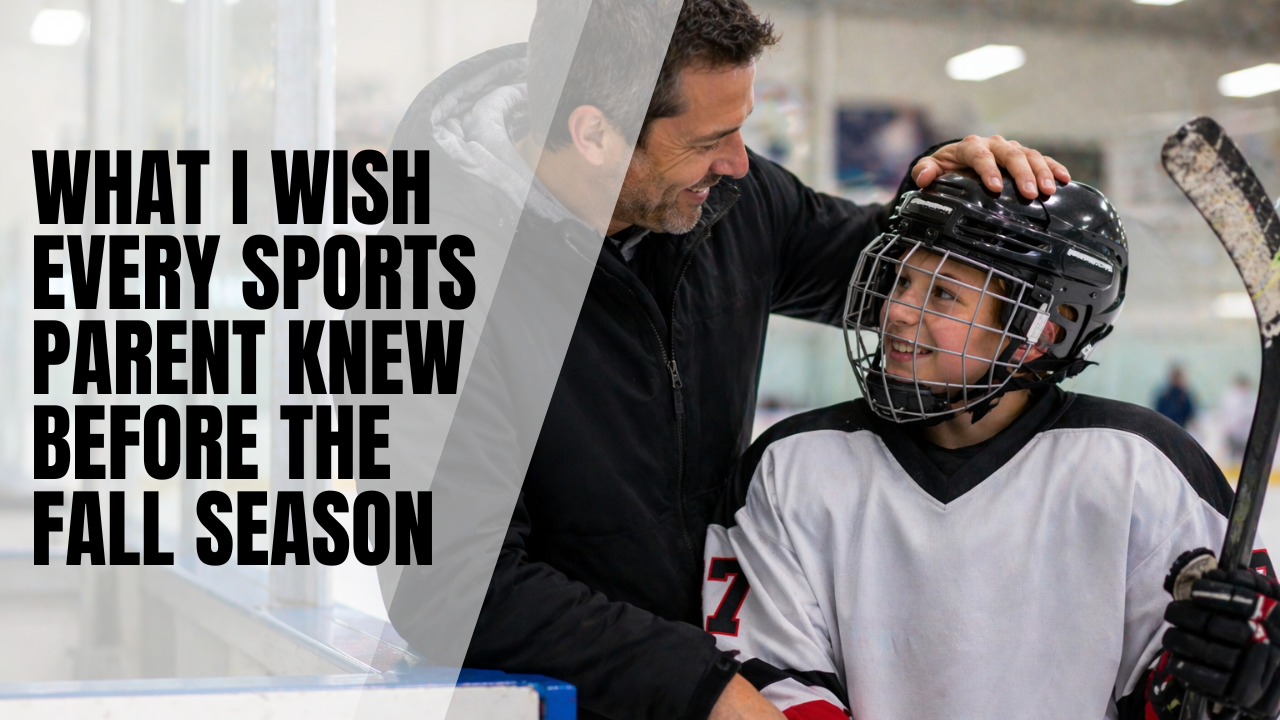
What I Wish Every Sports Parent Knew Before the Fall Season
Apr 26, 2026Every fall, I watch the same pattern unfold.
Athletes walk into tryouts, training camps, and the first weeks of a new season carrying something invisible. Not an injury. Not a skill gap. Something harder to name.
Nerves that feel bigger than their preparation. A mistake that loops in their head long after the game is over. Confidence that rises and falls with every performance. A quiet pressure they can’t articulate but their parents can see.
And every fall, parents reach out to me and say some version of the same thing: “I wish we had done this sooner.”
The Off-Season Window
The off-season is the most underutilized window in youth sports development.
It’s the one stretch of the year when athletes aren’t under the daily pressure of competition. When they have the mental space to learn something new. When they can build habits that will be second nature by the time the stakes go back up.
Most families use the off-season for physical development — camps, clinics, strength training. And that matters. But it’s only half the picture.
The athletes who walk into the fall with the most confidence aren’t always the ones who trained the hardest physically. They’re the ones who also built the internal skills to handle what competition demands of them emotionally.
What Mental Skills Training Actually Builds
When I talk about mental skills training, I’m not talking about generic motivation or positive thinking. I’m talking about specific, trainable skills that change how an athlete shows up under pressure.
The ability to reset after a mistake instead of spiraling through the rest of the game. The skill of managing pre-competition nerves so they fuel performance instead of undermining it. The practice of separating identity from performance so a tough weekend doesn’t become a personal crisis. The development of confidence that is built on preparation and self-trust, not dependent on outcomes.
These are not personality traits. They are skills. And like every other skill in sport, they can be taught, practiced, and strengthened over time.
Why It Matters Now
The families who start mental skills work in the off-season give their athletes something powerful: a head start.
By the time tryouts come around, their athlete has already practiced resetting under pressure. By the time the first big game arrives, they have a system for managing nerves. By the time the inevitable tough stretch of the season hits, they have tools to navigate it instead of being consumed by it.
That’s the difference between an athlete who hopes they’ll handle the pressure and an athlete who knows they can.
Mental Muscles
My Summer: The Off-Season Advantage Program is a 6-month mindset training program designed for this exact window. Athletes work with me directly to build the specific mental skills they need — with coaching, real tools, and a system that grows with them through the summer and into the fall.
This is the second year of the program. It was built because I watched too many talented athletes struggle with things that had nothing to do with talent — and because I believe every young athlete deserves access to the kind of mental performance support that used to be reserved for the professional level.
Enrollment closes May 3rd. If you’d like to learn more, book a free discovery call and let’s talk about whether it’s the right fit for your athlete.
